I am a postdoctoral researcher at the Digital Democracy Centre, University of Southern Denmark. Before moving to Denmark, I earned my PhD from the University of Texas at Austin’s School of Journalism and Media, where I was a research fellow at the Center for Media Engagement and the Technology & Information Policy Institute. I hold a master’s degree in the Sociology of Media and Culture from the University of Cambridge, UK, and a bachelor’s degree in Social Communication from ESPM, Brazil.
My research explores how representative politics unfolds in digital environments. Politicians’ online interactions with citizens may revitalize contemporary democracies, but also erode their foundations. My work examines these tensions and asks how we can foster more democratic forms of political engagement.
Publication
Spotlight
Does Social Media Level the Political Field or Reinforce Existing Inequalities?
In this study, we examined whether social media campaigns in the 2022 Brazil elections were inclusive. Our findings revealed that candidates who lacked resources were either absent from social media or received significantly less engagement. Those who already belonged to Brazil’s political class and invested more on content promotion online were more successful in boosting their social media metrics. We also found that campaigns were highly concentrated on populous and rich municipalities, thereby neglecting hundreds of cities in these communication efforts. Overall, our results suggest that social media will reproduce, rather than subvert, existing forms of inequality and exclusion in Brazilian representative politics.
Rodarte, A. K. (2026). The Democratic Cost of Pursuing Virality: A Study into Parliamentary Communications. Political Communication.
Rodarte, A. K. (2026). From Constituencies to Audiences: Lessons from Brazil about audience analytics in representative politics. Information, Communication & Society.
Rodarte, A. K., Kuahara, C. V., & Arif, A. (2026). Who Controls the Narrative? How Brazilian parliamentarians pursue epistemic authority in times of crisis. Digital Journalism.
Rodarte, A. K. & Lukito, J. (2024) Does Social Media Level the Political Field or Reinforce Existing Inequalities? Cartographies of the 2022 Brazilian election. Political Communication.
Rodarte, A. K., Hyunsik Kim, T., & Lukito, J. (2023). Representing “The People”: What can social media images reveal about populist propaganda in Brazil?. Social Media + Society.
Mimizuka, K., Rodarte, A. K., Arif, A. (2024) On the Fly: How Japanese social media ‘watchers’ improvise to counter misinformation. New Media & Society.
Rodarte, A. K. & Woolley, S. (2024) Bringing Conflict Back In: Computational Propaganda and Totalitarian Political Communication in Brazil. In: Pukallus, S. & Connaughton, S. L. Routledge Handbook of Conflict and Peacebuildinghttps://doi.org/10.4324/9781003392002-15.
Rodarte, A. K. (2018) Marketing como vigilância: implicações e discursos éticos [Marketing as surveillance: ethical discourses and its implications]. In: Peres-Neto, L. and Botella, J. (Org.). Ethics in Networks: Privacy Policies and Public Moralities. Estação das Letras e Cores, São Paulo.
Other publications
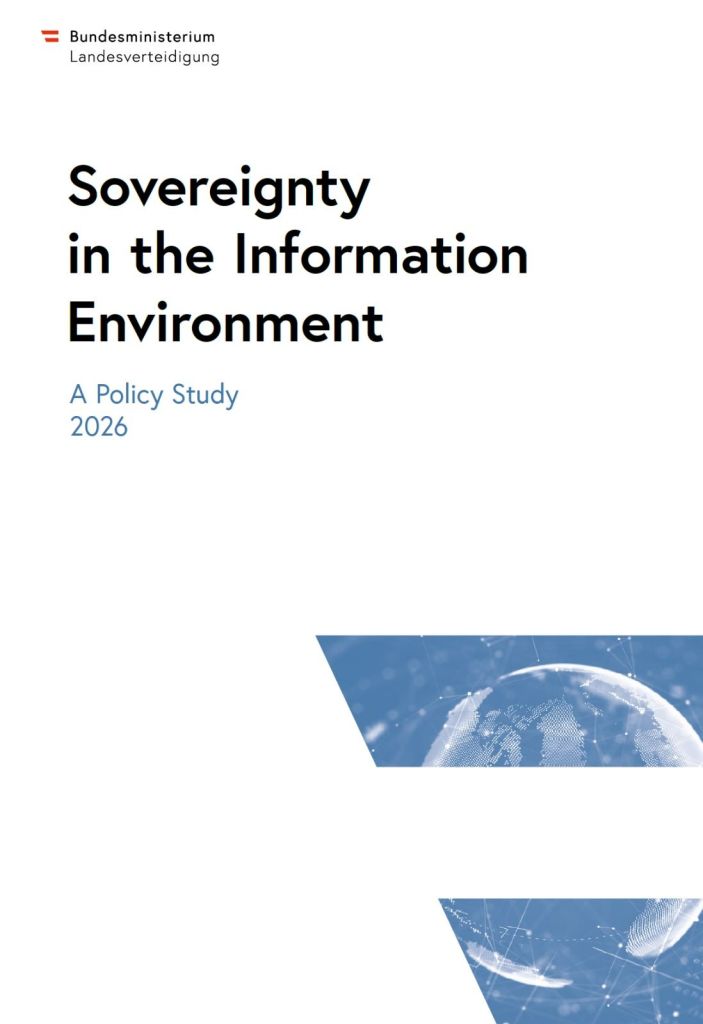
(ENG) How can we foster citizen’s resilience against misinformation in times of hybrid warfare?
Lena Frischlich and I address this question in this policy report. We conducted three studies exploring the complexity of misinformation dynamics, countermeasures, and how citizens evaluate these interventions. We argue that there is a significant imbalance between what scholars study and what state actors do when it comes to countering misinformation. Citizens expect misinformation not to go unchallenged, rejecting a laissez-faire approach. We also identify groups which are more susceptible to misinformation and discuss their preferences regarding information environments.
(PT) Como falsas promessas das redes sociais colocam em risco nossa democracia?
As redes sociais surgiram com a promessa de ampliar o espaço para o debate democrático, derrubando as barreiras que preveniam o amplo confronto de ideias e projetos políticos. Entretanto, as redes sociais não criaram um espaço tão democrático assim para disputas eleitorais como se imaginava. Este artigo para The Conversation apresenta minha pesquisa com Prof. Lukito de forma mais acessível ao público.
My past projects critically examined how digital media incentivize political elites to change their communications. Politicians now continuously produce content across platforms and can sometimes exert more influence over public discourse than traditional news outlets. But to gain that influence, they often provoke controversy, fuel polarization, and connect with hyperpartisan information sources through like-minded networks. To study these developments, I have relied on in-depth interviews with members of congress, large-scale computational analyses, and quantitative tests using digital data.
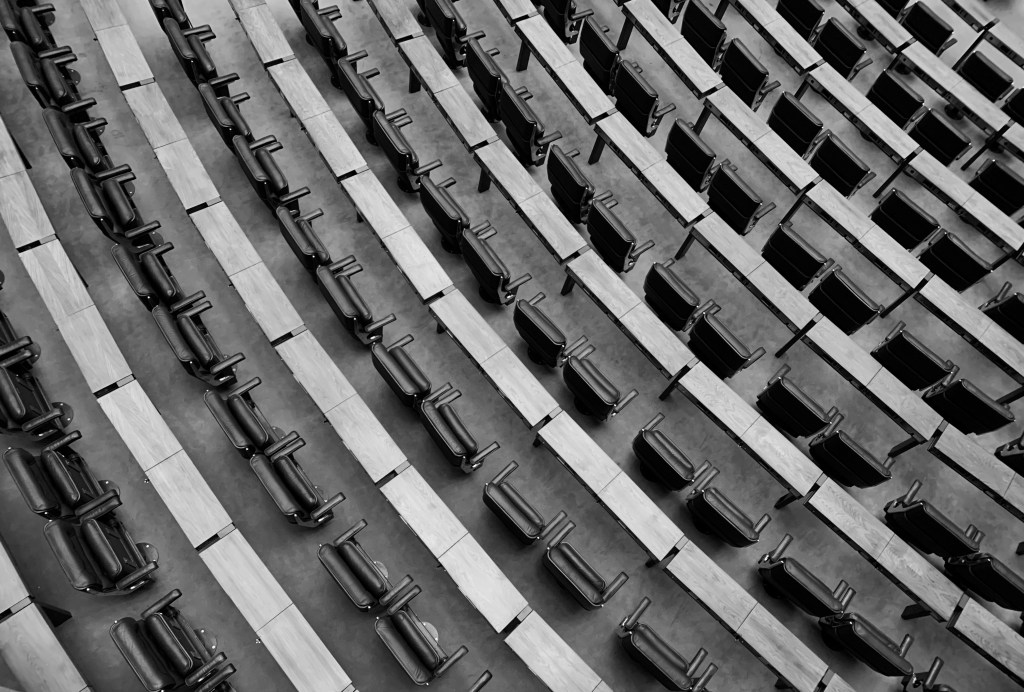
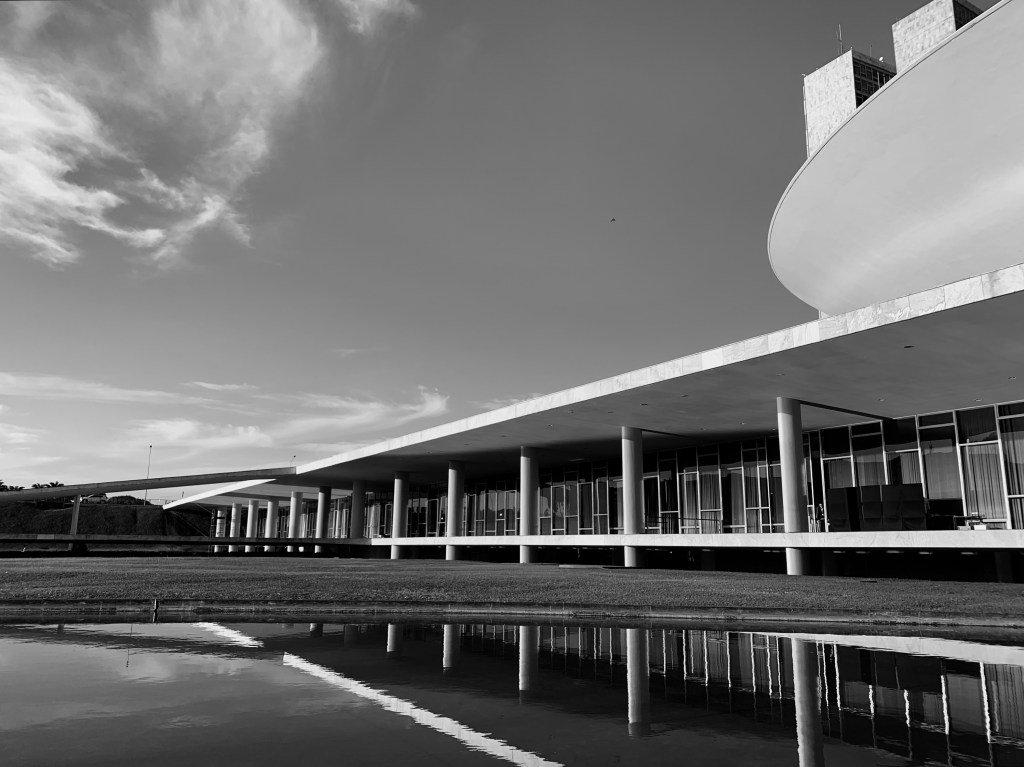
The images displayed above were captured in Brasília, where I conducted fieldwork for my PhD.